Description
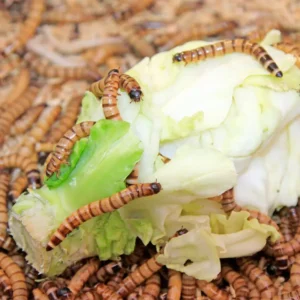
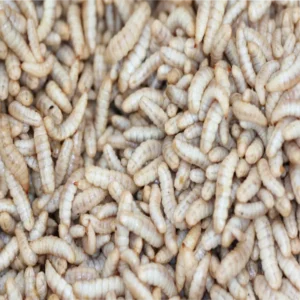
Mealworms were one of the first feeder insects to be introduced into the reptile hobby. They are easy to keep and store, are well-liked
by insect-eaters of all types, and they’re easy to breed at home (if you’re into DIY).Their only real downside is that they are very low in calcium. Ordinarily, insects are easy to dust with calcium supplements, but mealworms are so slick and smooth that the supplements do not stick to them well. For this reason, we recommend they be fed alongside other, calcium-rich insects, such as dusted
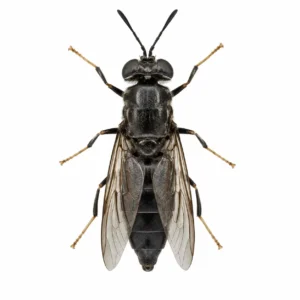
crickets, dubias, or adult soldier flies, or black soldier fly larvae.Keep in a substrate of ground organic chicken feed, and offer carrots as a moisture source. As they grow large and old enough, they will turn into pupae.These are less active than the larvae, but some critters will still eat them, and they are higher in protein and lower in fat than larvae. After a couple weeks in the pupa
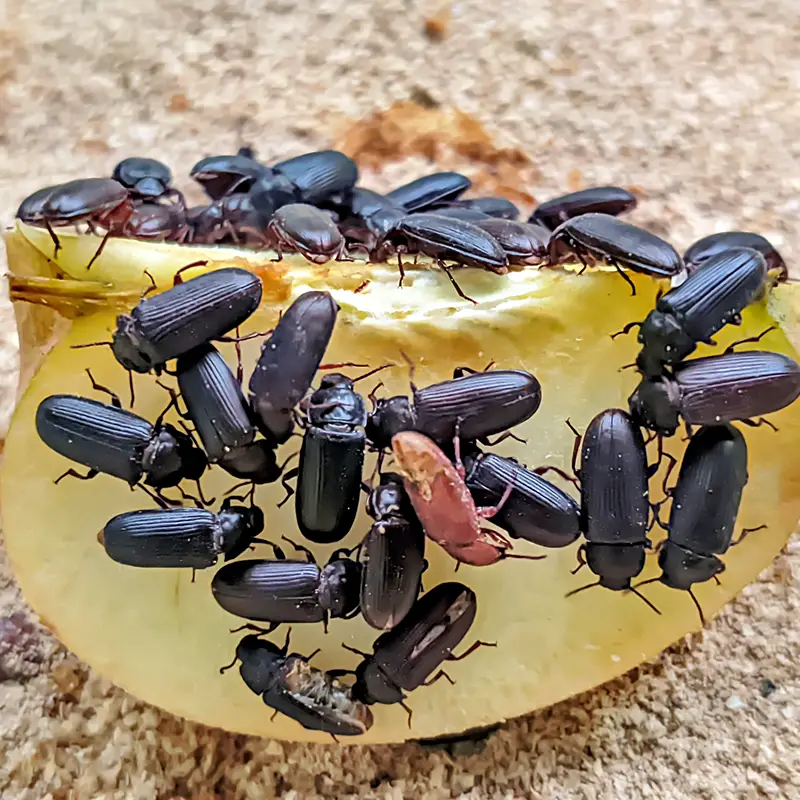
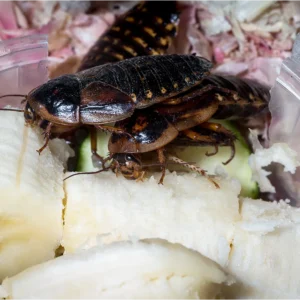
stage, these will turn into darkling beetles. The beetles are also good feeders, and calcium sticks to them very well. Some lizards love these, others are more lukewarm about them because they are “spicy”! Our lacertas go nuts for them,
but our Aussie water dragons eat them only occasionally. The Wind River Bug Ranch is proud to say that we never, ever use wheat bran
as food or substrate for mealworms. Learn why HERE (link to blog about phytic
acid in wheat bran)Offer mealworms in a bowl to prevent escape.
Reviews
There are no reviews yet.